
Sewage cleanup for Toronto homes, approached as a health matter first
A backup through a basement drain or an older sanitary line isn't a job for half-measures — it calls for proper containment, sanitizing and drying, carried out with genuine care for the household living there.
Email Us for a Free Estimate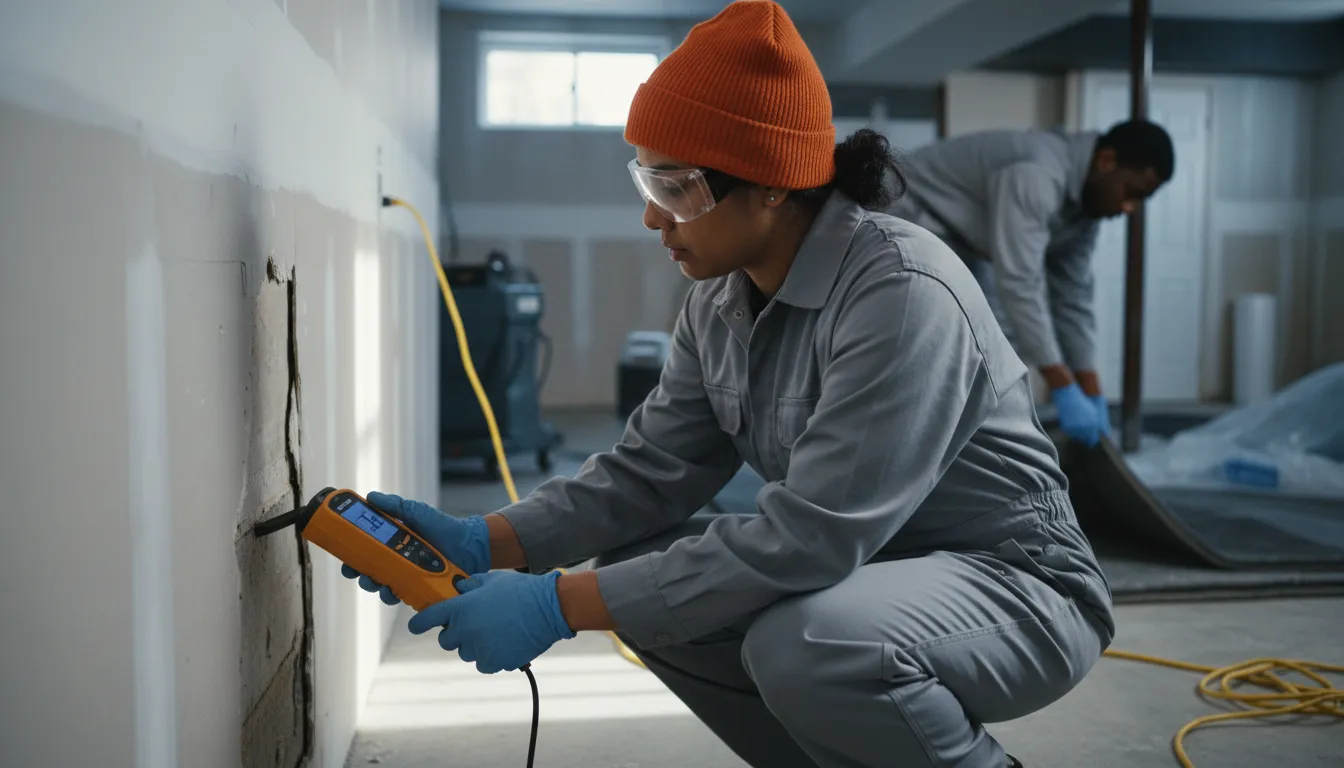
Why sewage backups are common in Toronto's older sewer-connected homes
Much of Toronto's housing predates the sewer infrastructure it now depends on, and the mismatch shows up during heavy rain, tree root intrusion and simple age-related pipe wear.
Combined sewer systems back up under storm load
Older parts of Toronto still run combined sanitary and stormwater sewers, meaning heavy rainfall can push sewage back into basement drains before the system catches up.
Aging clay pipe and root intrusion
Century homes across the east end often still have original clay drain tile, which tree roots find and infiltrate over decades, restricting flow until a backup occurs.
Basement fixtures below the sewer line
Renovated basements with added bathrooms sometimes sit below the main sewer connection, making backflow more likely without a properly installed backwater valve.
Freeze-related pipe restriction
Winter freeze can narrow or block sections of older sanitary lines, setting up a backup once things thaw and flow resumes under pressure.
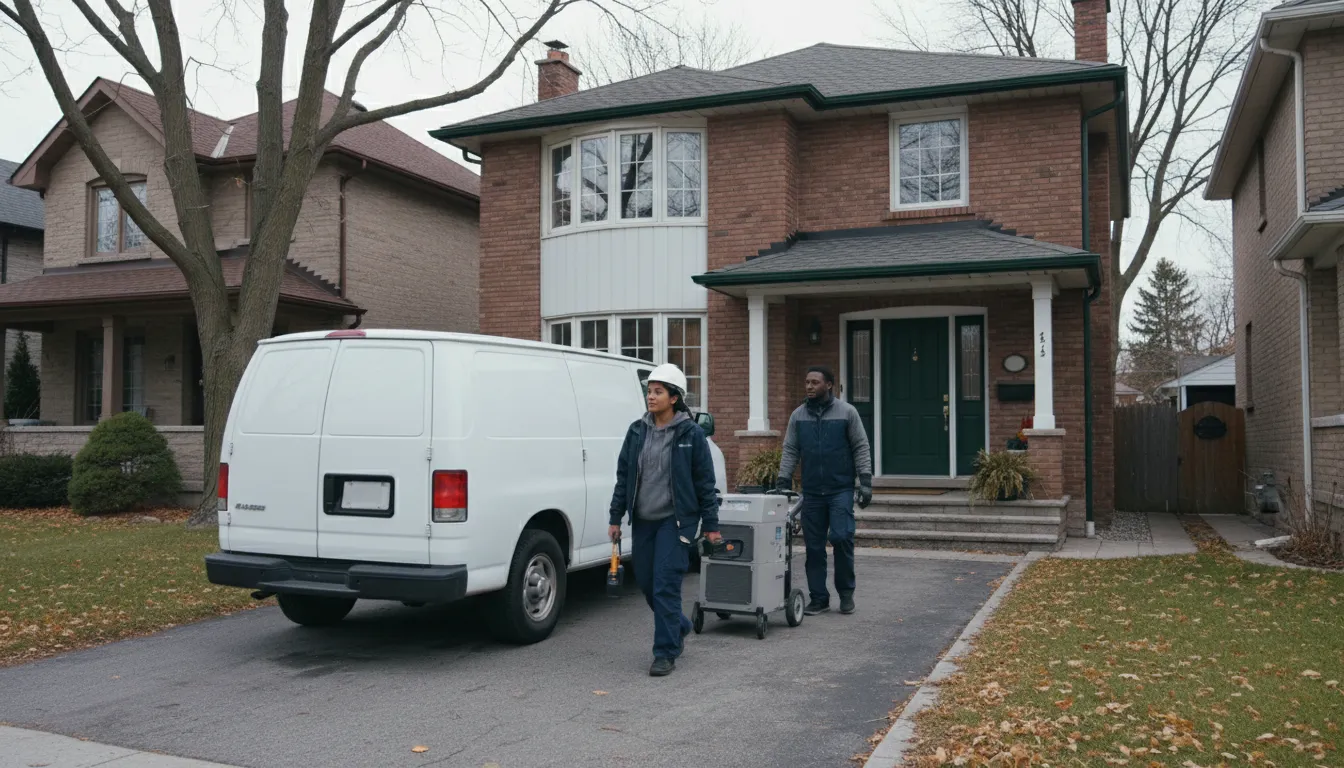
Sewage contamination is not something to manage with household cleaners
A sewage backup introduces contaminants that ordinary cleaning simply isn't equipped to address, and materials like carpet, drywall and insulation that have absorbed sewage typically can't be fully restored — they need to be identified and removed correctly.
Remediation that separates what can be saved from what can't
We assess contact and contamination level material by material, remove what genuinely cannot be salvaged, and sanitize and dry everything else to an appropriate standard — protecting the household's health without discarding more of the home than necessary.
Our sewage cleanup sequence
A methodical process that treats health and structure with equal seriousness.
- 1
Assess contamination extent
We identify which materials and areas have been affected before any work begins.
- 2
Contain the area
The affected zone is isolated to prevent contamination from spreading further into the home.
- 3
Remove non-salvageable materials
Porous materials that have absorbed sewage are removed, since they can't be reliably sanitized.
- 4
Sanitize and disinfect
Remaining surfaces are cleaned to an appropriate standard for the contamination present.
- 5
Dry and verify
The space is dried and moisture-tested before we consider the job complete.
Why households trust us with sewage remediation
This work asks for judgment as much as equipment.
Health-first approach
We treat contamination level as the primary factor guiding every decision.
Honest salvage assessment
We remove only what genuinely needs removing, not more.
Prompt email response
Sewage situations get priority attention once we hear from you.
Respect for the household
We understand this is a stressful situation and communicate clearly throughout.
Considered disinfecting
Sanitizing matched to the actual contamination, not blanket overuse of chemicals.
Verified results
We confirm the space is genuinely safe and dry before finishing.
Sewage cleanup questions
Is it safe to stay in the house during a sewage backup?
It depends on the extent and location of the backup. We can advise on this once we understand the details — email us photos and a description as a first step.
Can carpet be cleaned after sewage contact, or does it need replacing?
Porous materials like carpet and underpad that have absorbed sewage generally can't be reliably sanitized and need replacing, while harder surfaces often can be cleaned and kept.
Why did the backup happen through my basement drain specifically?
Basement drains and fixtures often sit at the lowest point in the plumbing system, making them the first place a backup shows up when the main line can't drain properly.
Will my insurance cover sewage backup cleanup?
Many policies include backup coverage, sometimes as an add-on. Our documentation is prepared to support that claim regardless of which way your policy is structured.
How quickly can cleanup begin after a backup?
Email us as soon as you notice the issue — sewage situations are prioritized given the health considerations involved.
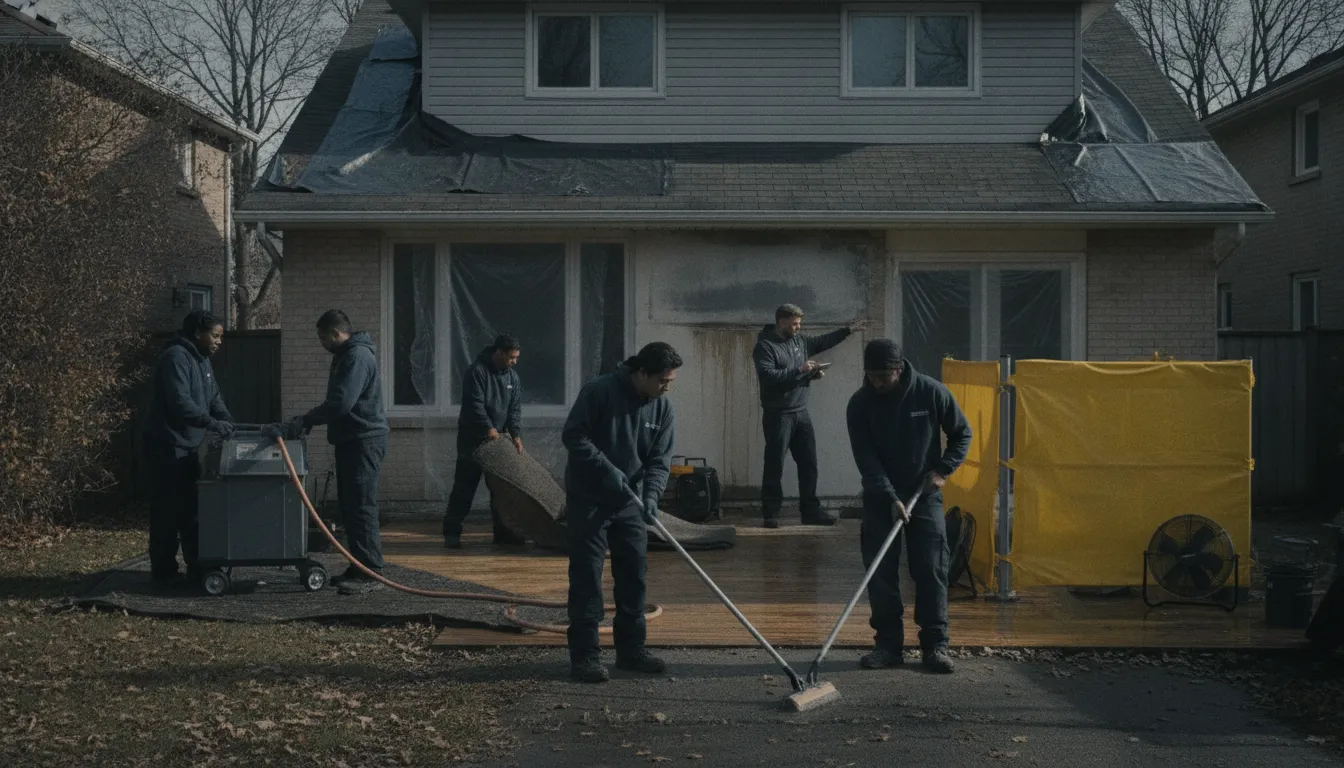
A sewage backup needs a serious response, not a quick wipe-down
Email us the details and we'll follow up with a clear, careful remediation plan.
Email Us for a Free EstimateWeather drives water-damage risk — email us if you find water.
Fall water-damage conditions in Toronto, ON
Fall rain around Toronto, ON tests gutters, sump pumps, and foundations; catching leaks and seepage early prevents the slow water damage and mold that surface over winter.
Proudly Serving Toronto, ON
Local, on-time service throughout Toronto and the surrounding area.