
Water extraction for Toronto homes, the first careful step in any restoration
Before drying, before repairs, standing water has to come out — quickly, thoroughly, and without doing further damage to the floors and finishes it's sitting on.
Email Us for a Free Estimate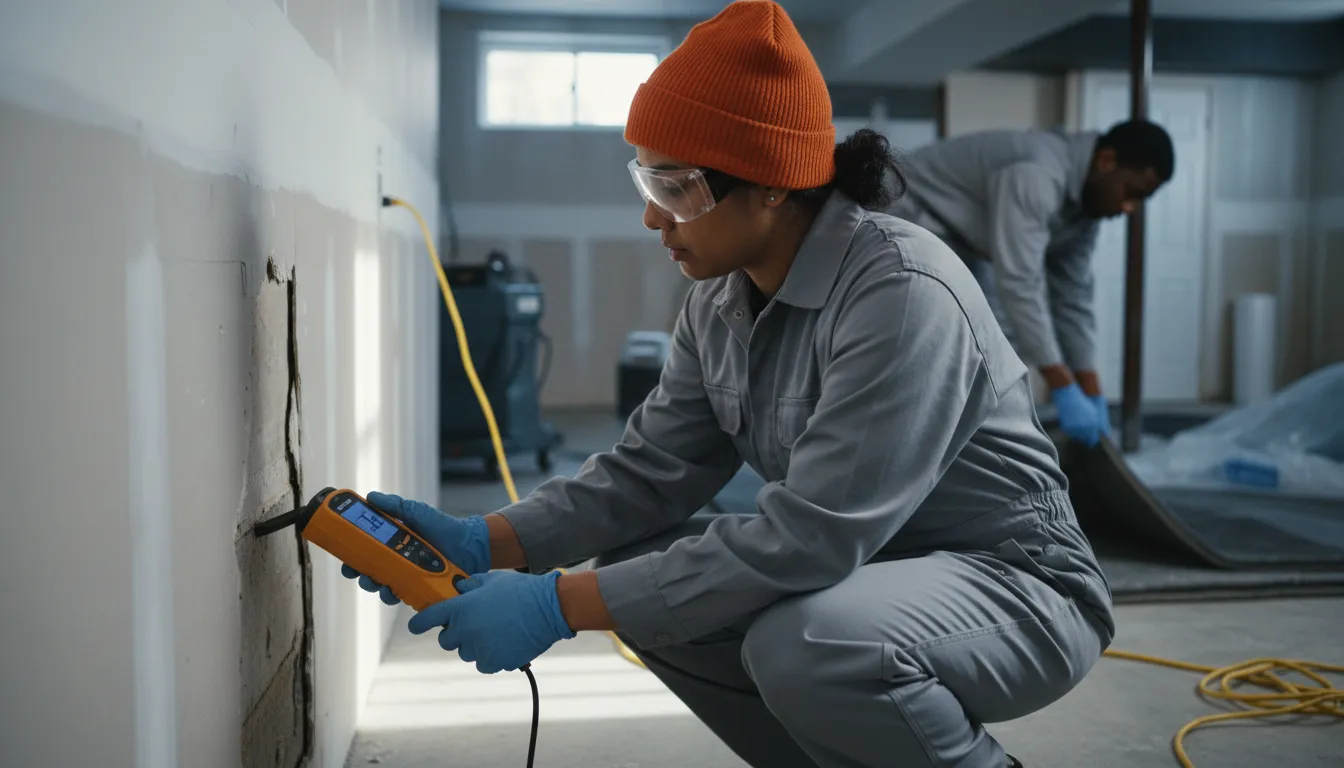
Extraction looks different across Toronto's housing types
How we approach water extraction depends heavily on the flooring, foundation type and layout of the specific home — a factor that's easy to overlook but genuinely shapes the outcome.
Hardwood floors need gentler, faster extraction
In character homes across the Annex or Riverdale with original hardwood, extraction needs to happen quickly and carefully to avoid cupping or warping the wood.
Unfinished basements allow more aggressive extraction
Post-war bungalows with unfinished basements in Scarborough or Etobicoke often allow for faster, more thorough extraction since there's less finished material to protect.
Condo units require contained, low-disruption methods
Extraction in a downtown condo has to account for shared flooring systems and neighbouring units, calling for a more contained approach.
Carpet and underpad hold water differently than hard flooring
Carpeted rec rooms, common in mid-century GTA homes, require extraction methods that draw water out of both the carpet and the underpad beneath it.
Delayed extraction turns a simple job into a complicated one
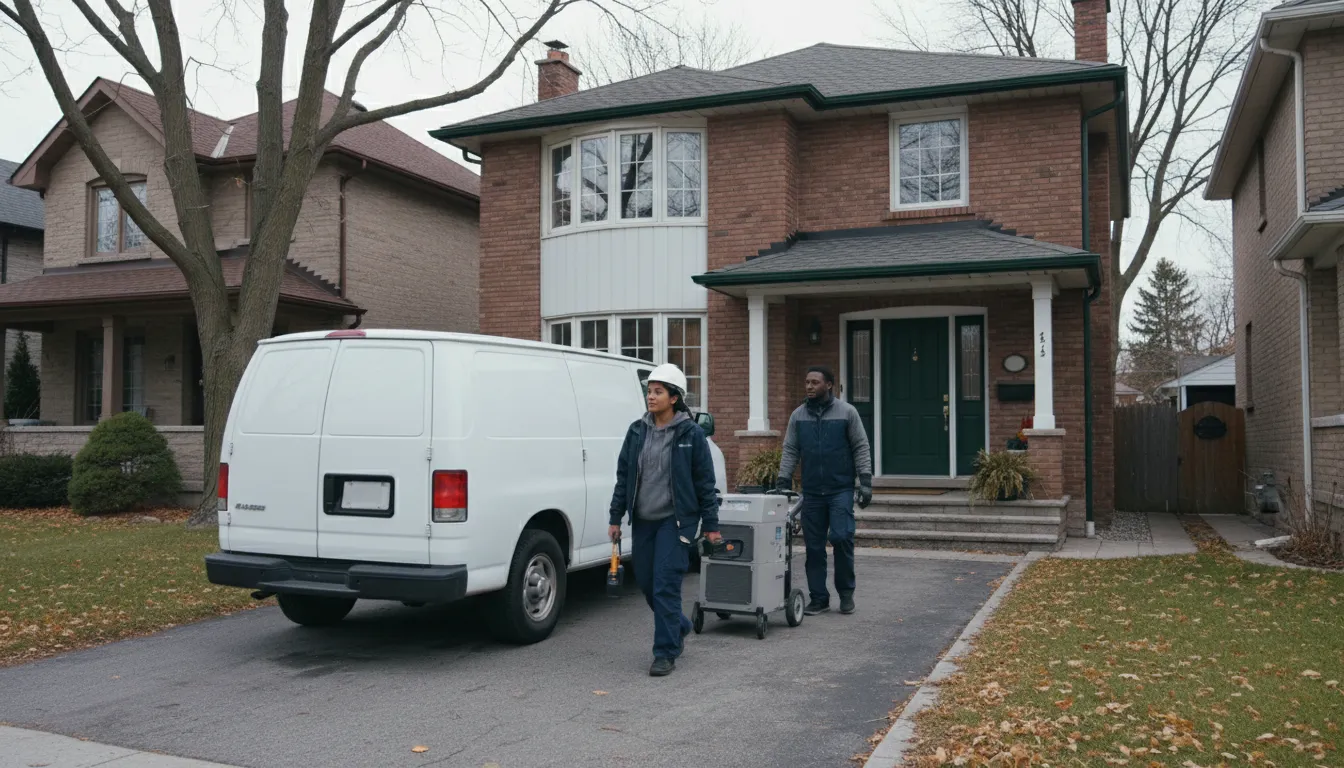
Every hour that standing water sits on hardwood, carpet or subfloor increases how much of that material absorbs water beyond simple removal — turning what could have been a straightforward extraction into a more involved drying and restoration project.
Extraction sized and sequenced to the flooring involved
We choose extraction equipment and technique based on what the water is sitting on, moving quickly on hardwood and carpet in particular, and immediately transitioning into structural drying once bulk water is removed.
Our water extraction process
Extraction is the first of several connected steps, not a standalone fix.
- 1
Assess the flooring and layout
We determine the right extraction approach based on what materials the water is affecting.
- 2
Remove standing water
High-capacity pumps and extraction tools remove bulk water as quickly as the situation calls for.
- 3
Extract from carpet and underpad
Where carpet is involved, we draw water from both layers rather than just the surface.
- 4
Transition into drying
Once extraction is complete, structural drying begins immediately to prevent further absorption.
Why extraction deserves this much attention
It's the step that determines how much of the rest of the restoration is even necessary.
Flooring-specific technique
Hardwood, carpet and concrete each get an extraction approach suited to how they hold water.
Speed where it counts
We move quickly on materials most vulnerable to prolonged water contact.
High-capacity equipment
Extraction tools sized to basements, main floors and condo units alike.
Seamless transition to drying
Extraction and structural drying are treated as one continuous process.
Careful with belongings
We work around furniture and contents thoughtfully during extraction.
Clear documentation
Extraction details recorded as part of your overall restoration report.
Water extraction questions
How fast does water extraction need to happen?
As soon as possible, particularly on hardwood and carpet, where prolonged contact leads to warping, cupping or deeper saturation that's harder to reverse.
Can you extract water from a finished basement without removing drywall?
Often yes, if extraction happens promptly. The longer water sits, the more likely some materials will need removal to dry the space properly.
Do you extract water from carpet or just replace it?
We extract first and assess afterward — carpet and underpad can often be dried and kept if extraction happens quickly enough.
Is extraction different for a condo than a house?
Yes, condo extraction typically requires a more contained approach given shared flooring systems and neighbouring units, while houses generally allow more flexibility.
What happens after the standing water is removed?
We move directly into structural drying, using moisture readings to guide airflow and dehumidification until the space reaches a verified dry standard.
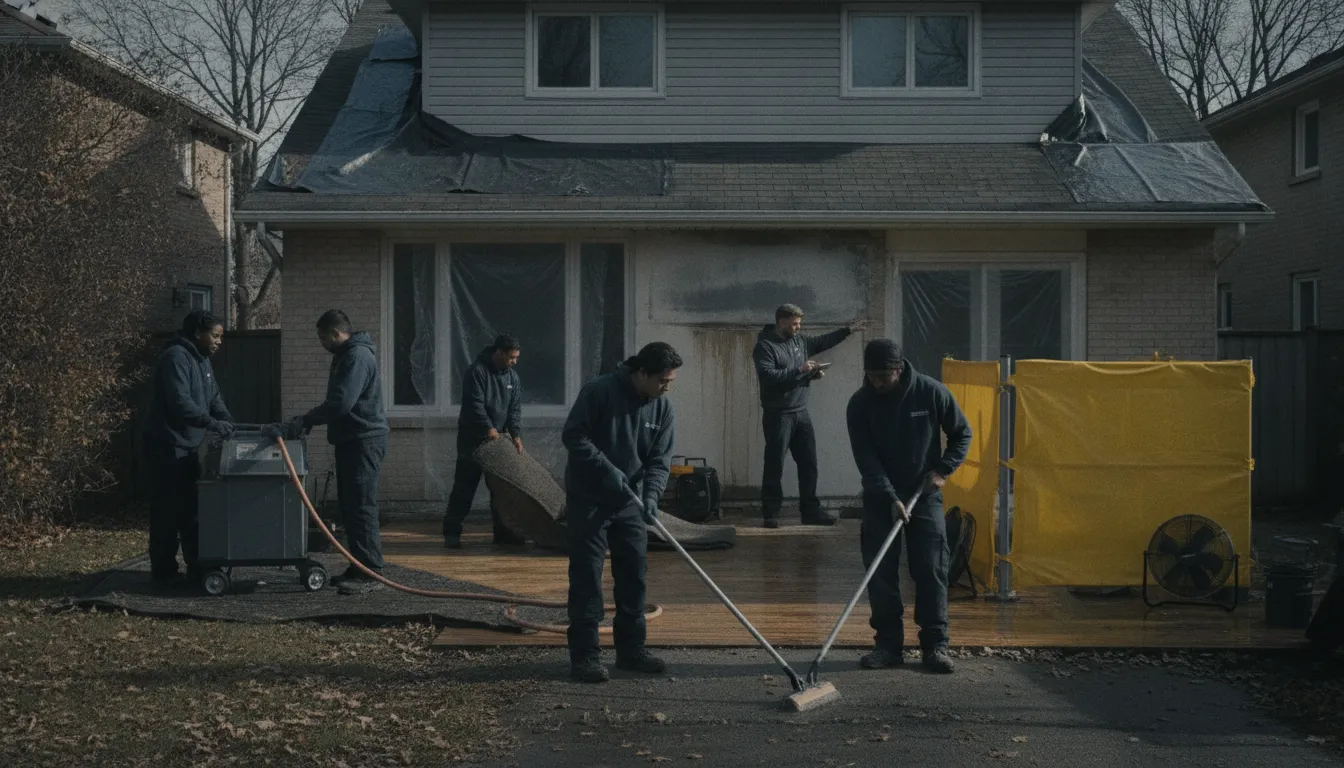
Standing water won't wait, and neither should the extraction
Email us the details and photos, and we'll follow up promptly with a plan and quote.
Email Us for a Free EstimateWeather drives water-damage risk — email us if you find water.
Fall water-damage conditions in Toronto, ON
Fall rain around Toronto, ON tests gutters, sump pumps, and foundations; catching leaks and seepage early prevents the slow water damage and mold that surface over winter.
Proudly Serving Toronto, ON
Local, on-time service throughout Toronto and the surrounding area.